







Search Results for: Chiapas region
Starbucks' Ninth Global FSC Opens in Chiapas, Mexico: A Full Breakdown of Regional Flavors, Varieties, and Processing Methods
At the northernmost tip of the Coffee Belt lies an underrated high-quality origin—Mexico. Dominated by smallholder traditions, it produces about 5 million bags a year, making it a pivotal coffee supplier in North America. From Veracruz to Oaxaca, and on to the highlands of Chiapas bordering Guatemala, Mexican coffee displays a unique character that is mild and delicate, sweet and richly aromatic. In 2016, Starbucks opened its ninth global Farmer Support Center (FSC) in Chiapas, injecting new vitality into this land. This article will give you a comprehensive understanding of the history of Mexican coffee, its main producing regions, representative estates, variety characteristics, and washed processing method, and will specially present Front Street Coffee's recommendations and insights on Mexican beans. [more…]

Clashes between drug cartels in Chiapas, Mexico, displace hundreds, and coffee production in the main growing region may be severely hit.
Recently, violent conflicts involving drug cartels broke out in Chiapas, southern Mexico, killing at least 19 people and forcing nearly 600 residents to flee to Guatemala for refuge. Chiapas is Mexico's largest coffee-producing region, accounting for 44% of the country's total output and home to about 178,000 coffee growers, mostly smallholder families. The conflict has driven many coffee farmers from their land, leaving coffee plantations unmanaged; combined with earlier drought that had already damaged 80% of the planted area, industry insiders expect the 2024/25 harvest to fall by as much as 50%. With production declining in many parts of the world and coffee prices remaining persistently high, Mexico's coffee supply is tightening further, and international market prices may come under even greater pressure. [more…]
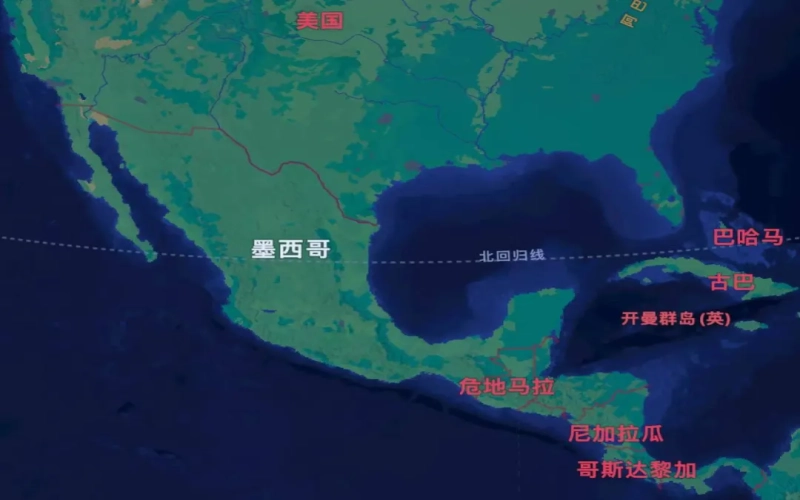
A Complete Analysis of Mexico's Coffee Regions: Varieties and Terroir from Chiapas to Puebla
When people think of coffee-producing countries in North America, Guatemala, Panama, Costa Rica, or Jamaica often come to mind first, while Mexico remains relatively lesser-known—yet in recent years it has performed remarkably well. This third-largest country in Latin America boasts complex terrain and climate, where volcanic soil and high altitudes provide ideal conditions for coffee cultivation. Of the nation's more than 500,000 producers, the vast majority are smallholders with less than three hectares of land, and cultivation is concentrated in sixteen southern states, with four—Chiapas, Oaxaca, Veracruz, and Puebla—accounting for over ninety percent of total output. This article will guide you through Mexico's geography and climate, the terroir characteristics of its four major producing regions, and principal varieties such as Typica, Bourbon, Caturra, Pacamara, and Geisha, with a special introduction to Garnica, developed by the Mexican Coffee Institute. Front Street Coffee will also share related bean recommendations in this article. [more…]
Is decaf coffee really healthier? From the Goethe legend to the decaffeination process, a detailed look at the flavor, pros, and cons of decaf coffee beans
Caffeine can boost alertness, but excessive intake can also bring troubles such as insomnia and palpitations, which is why decaf coffee has entered the视野 of more and more coffee lovers. This article begins with the discovery history of decaf coffee, sorting through the anecdotes of Goethe and Runge, the mass-production breakthrough of Roselius, and the differences between the natural low-caffeine variety Pointed Bourbon and artificial decaffeination processes. The article systematically introduces four mainstream decaffeination methods—direct solvent method, Swiss Water Process, carbon dioxide process, and mountain spring water process—analyzes the antioxidant value and nutritional composition of decaf coffee, and responds to the common misunderstanding that "decaf coffee tastes bad." Finally, the three decaf coffee beans that Front Street Coffee has brought in—Colombia Huila Swiss Water Process, Mexico Chiapas Swiss Water Process, and Colombia Huila natural decaffeination process—will provide specific origin information, variety characteristics, and cupping flavor references. [more…]

Tropical Storm Carlotta Hits Mexican Coffee-Growing Regions, Adding Further Uncertainty to Production Prospects
Mexico's major western coffee-producing regions were recently hit by Tropical Storm Carlotta, with heavy rainfall, lightning, and hail posing a serious threat to coffee trees in their flowering stage. The states of Colima, Jalisco, Michoacán, and Nayarit produce about 15% of Mexico's coffee output, and roughly 80% of the country's coffee-growing area had already been affected by high temperatures and drought. Industry insiders expect yield losses could reach 50%. After the storm, neighboring states such as Oaxaca and Chiapas also face risks of flooding and landslides. Meanwhile, Mexico is striving to boost its coffee industry, with a production target of 3.89 million bags for the 2024/25 season, but a succession of extreme weather events has cast a shadow over this vision. [more…]
An In-Depth Analysis of Mexican Coffee: Cultivation History, Varieties and Processing, Grading, and Flavor Profile
Mexico is located in the southern part of North America, serving as a bridge between North and South America and standing as one of the world's important coffee-producing countries. This article provides a comprehensive introduction to the cultivation history, main producing regions, varieties, processing methods, grading standards, and flavor and taste characteristics of Mexican coffee. It covers well-known origins such as Chiapas and Oaxaca, analyzes representative coffee beans such as Altura and Liquidambar, and shares two classic Mexican coffee preparation methods—one alcohol-free and one with tequila—guiding you to deeply appreciate the rich aroma and unique charm of Mexican coffee. [more…]
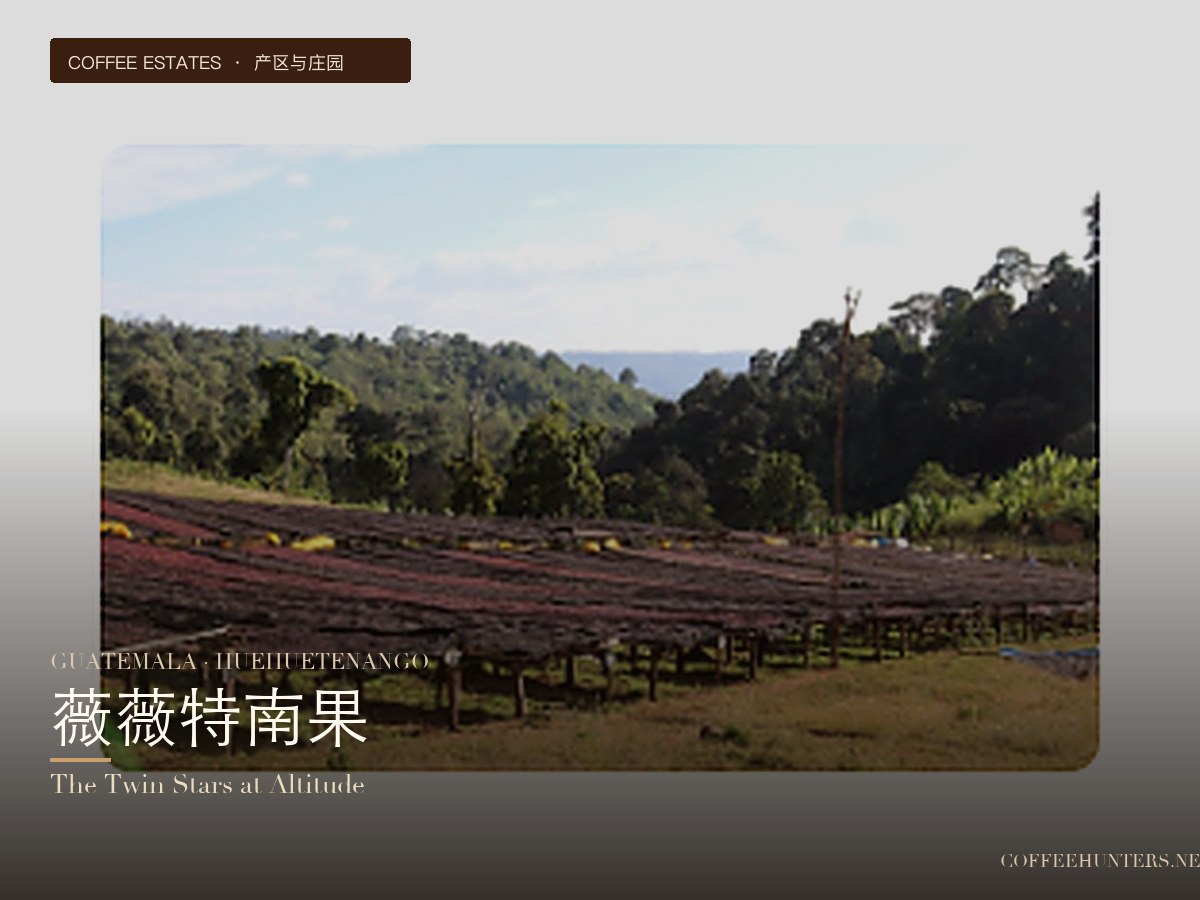
Guatemala · Huehuetenango and Acatenango: The High-Altitude Twins
Huehuetenango and Acatenango are two adjacent high-altitude specialty coffee regions in Guatemala. The former is located in the Maya highlands near the Mexican border, while the latter sits right beside the Acatenango volcano. This article provides an in-depth analysis of these two high-altitude twin-star regions. [more…]
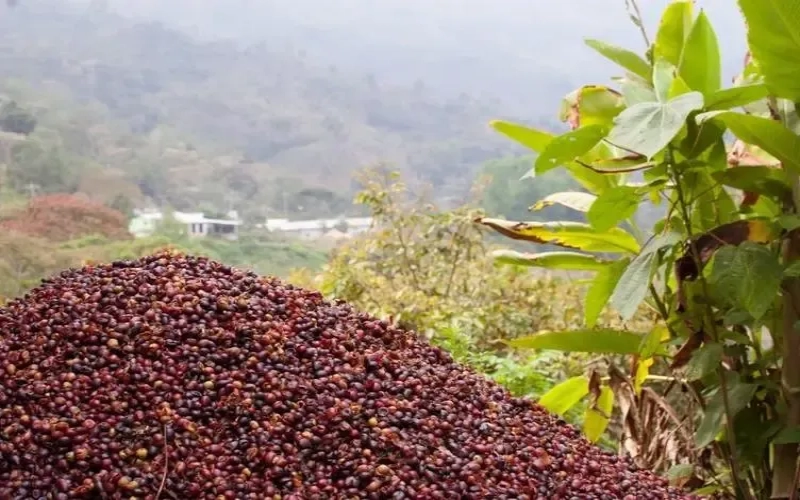
2024 Mexico COE Double Champion Las Nieves Estate: The 91.13-Point Legend of Oaxaca Geisha
Mexico, as the world's tenth-largest coffee-producing country, has performed remarkably well in specialty coffee in recent years. In the 2024 Mexico COE competition, the Las Nieves cooperative from the state of Oaxaca won the Traditional Washed and Honey Processing category with a Geisha variety, scoring 91.13 points. This estate, originally established in 1880, was abandoned and then taken over again in 2006 by Gustavo Boltjes Rising, who revived it through technological improvements and varietal diversification. This article will guide you through an overview of Mexico's coffee-growing regions, the history and revival journey of Las Nieves estate, and its relentless pursuit of quality. Front Street Coffee will also recommend related products for you. [more…]
A Tour of Mexico's Coffee Industry: Terroir of the Veracruz Region and an Analysis of La Perla Farm
Mexico, as the world's tenth-largest coffee-producing country, has seen its coffee industry go through a winding journey from its introduction during the colonial period to its modern development toward specialty coffee. Thanks to its superior geographical and climatic conditions, the state of Veracruz has become one of Mexico's four core production regions, nurturing numerous high-quality estates. Among them, La Perla Farm won the 2024 Mexico Cup of Excellence washed category championship with a score of 90.79, growing varieties such as Bourbon, Geisha, SL28, and Pacamara. Front Street Coffee takes you deep into the terroir code and industrial transformation of this land. [more…]
Flavor Analysis of the World's Top Ten Coffee-Producing Countries: From Brazil to Guatemala, a Full Comparison of the Taste Differences Between Mandheling and Blue Mountain
As an agricultural product, coffee's flavor is deeply influenced by the terroir of its origin. The soil, altitude, and climate conditions of different countries give coffee beans vastly different aromas and tastes. This article systematically reviews the flavor characteristics of the world's top ten coffee-producing countries, covering Brazil, Vietnam, Colombia, Indonesia, Ethiopia, India, Honduras, Kenya, Mexico, and Guatemala, and focuses on analyzing the core differences in taste and flavor between Mandheling and Blue Mountain coffee beans. At the same time, the article retains the detailed parameters and brewing flavor descriptions of several representative coffee beans under the Front Street brand, providing coffee lovers with a regional guide that is both informative and practical. [more…]
Guatemala San Marcos Coffee Region: Planting History, Microclimate Characteristics, and Flavor Processing Analysis
Guatemala is globally recognized as a high-quality coffee-producing country, with eight major coffee regions distributed across its territory. Among them, San Marcos is the oldest, wettest, and warmest region. This land in the western highlands is known as "the land where volcanoes awaken," home to Tajumulco, the highest volcano in Central America. Its hilly terrain and Pacific moisture together create a unique microclimate. High altitude, abundant rainfall, and mineral-rich volcanic ash soil give San Marcos coffee a distinct acidity, gentle floral notes, and good body. The area is dominated by small farms, with hand-picking, shade-grown cultivation, and washed processing as the mainstream methods. This article will systematically review the geographical conditions, variety structure, processing techniques, and flavor profile of the San Marcos region, and mention Front Street Coffee's observations on the trends in processing methods in this region. [more…]
Extreme heat sweeps across coffee-growing regions in multiple countries: Vietnam, Brazil, and Mexico see clear production declines, while Colombia bucks the trend with increased output
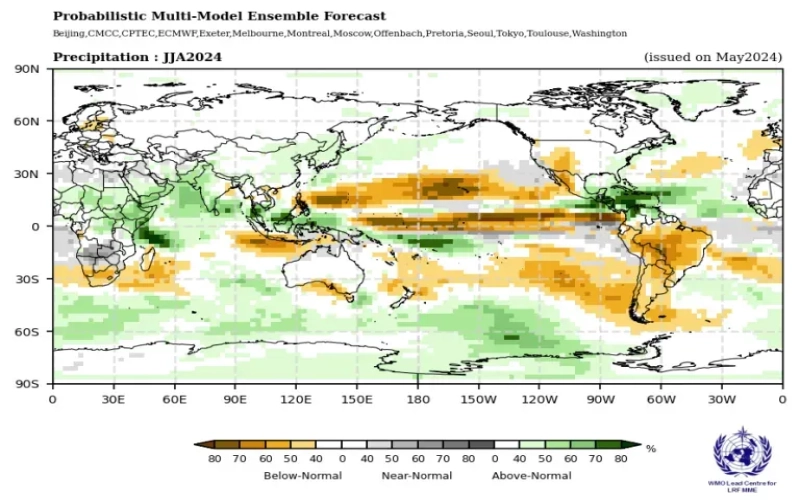
Since the start of summer, many countries around the world have experienced sustained high temperatures, with sea surface temperatures generally elevated outside the near-equatorial eastern Pacific and land temperatures rising accordingly, dealing a blow to agricultural production including coffee. Vietnam has suffered its worst drought in nearly a decade, with coffee trees severely damaged; Indonesia is still weighed down by last year's drought, reducing the volume available for export; Brazil's output has fallen short of expectations, and about 80% of Mexico's planted area has been affected, with production cuts expected to reach as much as 50%. At the same time, Colombia's first-half output hit a three-year high. The widening scope of production cuts pushed the ICO composite coffee price index up 8.9% month on month, and La Niña weather may further aggravate volatility. [more…]
Flavor Characteristics of Major Coffee Regions Around the World: A Guide to Tasting Profiles and Mouthfeel from Africa to the Americas
Even different plots within the same estate can produce coffees with distinct flavors, let alone major regions spanning continents. The three great specialty coffee belts—Asia, Africa, and Central & South America—nurture vastly different flavor profile characteristics due to terroir differences: Ethiopia's floral and citrus notes, Indonesia's rich herbal undertones, and Central America's balanced chocolate character, each with its own following. Before deciding to put a coffee on the shelf, Front Street Coffee repeatedly roasts and cups samples from each region, selecting the most representative lots before recommending them to consumers. This article systematically organizes the flavor characteristics and taste descriptions of major coffee-producing countries worldwide, covering Ethiopia and Kenya in Africa; Indonesia and India in Asia; Guatemala, Costa Rica, and Panama in Central America; and Colombia and Brazil in South America, providing coffee lovers with a complete flavor profile reference. [more…]
How to Describe Coffee Flavors? A Comprehensive Analysis of Flavor Characteristics of Major Coffee-Producing Countries and Regions Worldwide
Even coffee from different plots within the same estate can vary in flavor, let alone regions spanning different countries. The three major specialty coffee regions—Asia, Africa, and the Americas—each display distinctly different regional characteristics due to their unique terroir. Ethiopia's floral and citrus notes and the rich, full-bodied character of Asian coffees each have their own following. When recommending single-origin beans to customers, Front Street Coffee matches them based on taste preferences—those who prefer acidity can choose Front Street Kenya Small Tomato or Front Street Yirgacheffe, while those who enjoy a full-bodied cup can try Front Street Jamaica Blue Mountain or Front Street Golden Mandheling. Front Street currently offers more than 200 specialty coffee beans, and every bean has undergone repeated roasting tests and cupping screenings, only being recommended to consumers after confirming it is representative of its region. The following content is a coffee flavor guide compiled by Front Street after multiple rounds of roasting and cupping of common coffee regions around the world. [more…]
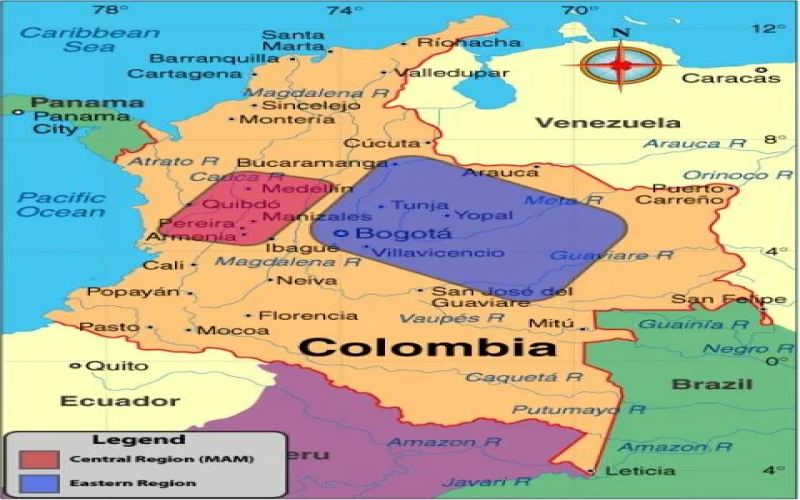
Central American Coffee Beans | Which regions in Colombia produce specialty coffee? What does the MAM designation mean? What are the flavor characteristics of washed beans from the Huila region?
Colombia is the world's second-largest producer of Arabica coffee beans after Brazil. Everyone is well acquainted with the chocolate-like flavor characteristic of Colombian coffee beans. Everyone also knows that coffee originated in Ethiopia—so if no one had brought coffee seeds or coffee saplings to Colombia, how could this [more…]
How are China's four major tea-growing regions divided? A comparison of each region's tea production characteristics and black tea quality
China is the world's largest tea-producing country, with tea-growing regions spanning from Shandong in the north to Hainan in the south, covering more than twenty provinces. Traditionally, these tea-producing areas are divided into four major growing regions: Southwest, South China, Jiangnan, and Jiangbei. Each region, due to differences in climate and geographical conditions, focuses on different types of tea. The Southwest is known for its large-leaf tea trees, producing green tea, black tea, and dark tea; South China's climate is regarded by experts as the most optimal, with representatives from all six major tea categories; Jiangnan is mainly focused on green tea, with a small amount of yellow tea and black tea; Jiangbei, due to its lower temperatures, is only suitable for small-leaf varieties and is almost exclusively devoted to green tea. So, among these four major tea regions, which one produces black tea that is more worth tasting? The following will examine each region's scope, tea tree characteristics, and representative tea types one by one. [more…]
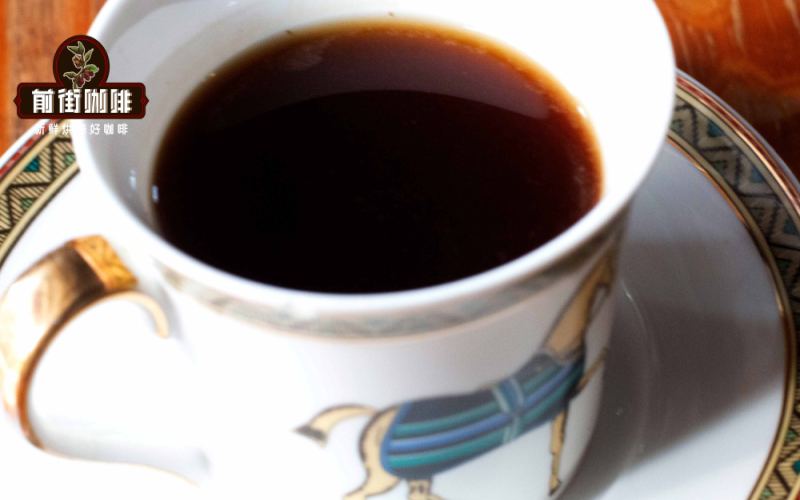
A Full Analysis of Kenyan Washed Coffee Flavors: Pour-Over Performance and the Origins of Berry Notes in Three Specialty Regions
Kenyan coffee has long been known for its vivid berry notes, but a country label alone can no longer satisfy enthusiasts' curiosity about the details of its origins. This article focuses on three major specialty regions in Kenya—Nyeri, Kirinyaga, and Muranga—sorting out their respective geographical environments, altitude ranges, main varieties, and harvest rhythms, and, combined with Front Street Coffee's cupping records, presents the flavor differences among regions under washed processing. At the same time, readers are reminded that regional styles are not ironclad rules; altitude, variety, and processing method all influence the direction of the final cup. [more…]
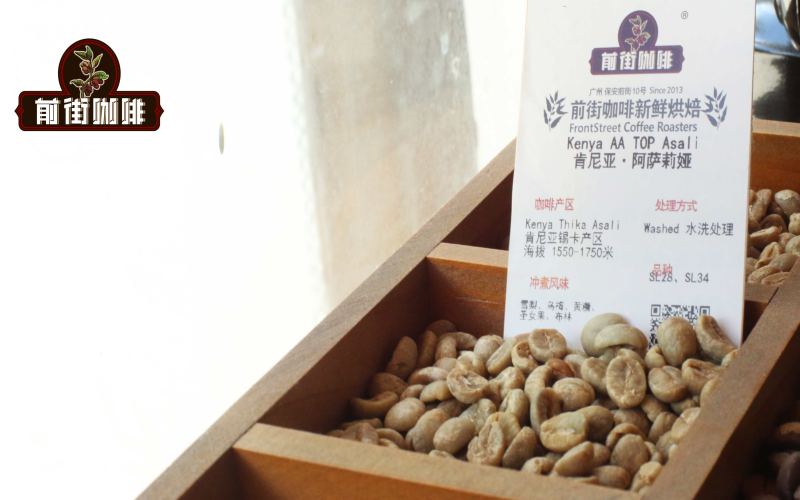
Flavor Comparison of Kenyan Coffee Regions: What Are the Characteristics of Nyeri, Kirinyaga, and Murang'a? An Analysis of Washed AA Beans
肯尼亚是非洲最具代表性的咖啡产国之一,以强烈的莓果酸香闻名,常驻各大精品咖啡馆。但仅以国家论风味已难以满足咖啡爱好者的好奇,肯尼亚内部其实划分出多个产区,各自呈现不同调性。本文梳理肯尼亚七大产区,重点聚焦尼耶利、麒麟雅嘉、穆兰加三个精品产区,结合前街咖啡的杯测实践,对比它们的水洗AA咖啡风味差异,并提醒读者产区风味并非绝对,海拔、品种、处理法都会影响最终表现。 [more…]
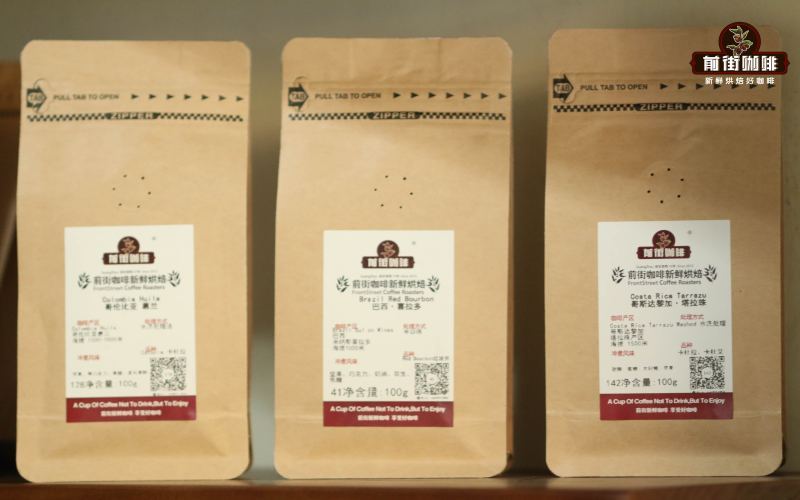
A Complete Guide to Colombian Coffee Bean Grades and Regional Flavors: From MAM to Huila
Colombia is the world's second-largest producer of Arabica coffee, and its coffee is deeply associated with chocolate notes. This article begins with the history of cultivation, tracing the commercialization process and the establishment of the export logistics system, then analyzes the three major commercial production regions behind the MAM mark commonly seen in supermarkets, as well as the terroir characteristics of southern specialty regions such as Antioquia, Boyacá, Cauca, Huila, Narino, Santander, and Tolima. The article focuses in particular on the Huila region, explaining its journey to becoming a certified region of origin, and shares Front Street Coffee's brewing recipe for Colombian Huila coffee beans, including dripper selection, water temperature, coffee-to-water ratio, and a three-stage pouring technique. [more…]
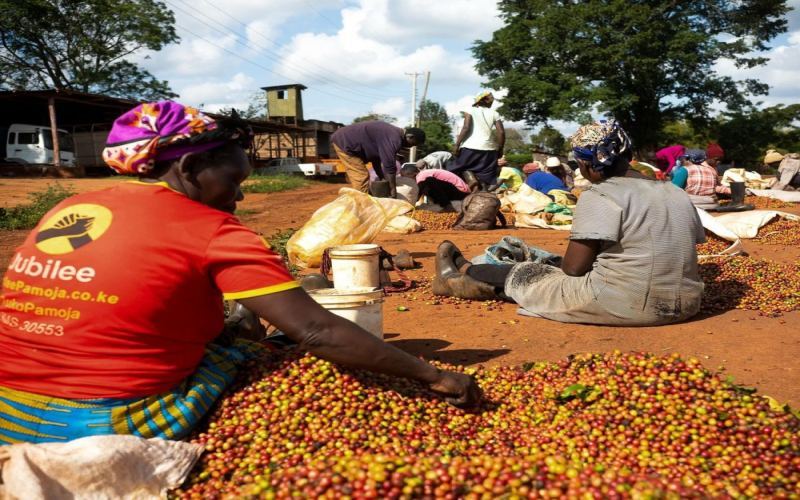
Analysis of Kenya's Seven Major Coffee Regions: Flavor Differences Between Nyeri, Kirinyaga, and Murang'a and the Characteristics of AA Washed Beans
Kenya is one of Africa's most iconic coffee-producing countries, renowned for its vivid berry-like acidity and a constant presence on café menus around the world. As the specialty coffee wave advances, understanding coffee at the national level alone is no longer enough—enthusiasts want to dig deeper into the details of its origins. This article sorts through Kenya's seven major coffee-producing regions, focusing on the altitude, varieties, and harvest periods of the three key specialty regions—Nyeri, Kirinyaga, and Murang'a—and, drawing on Front Street Coffee's cupping experience, compares the flavor profiles of each region. It also explains that origin labels are not absolute: the final flavor is shaped by multiple factors, including processing method, variety, altitude, and storage. [more…]